✅ Compatible lasers and controllers (DACs)
Which lasers are compatible with Liberation?
If your laser has a standard ILDA input then you can use it with Liberation (along with a compatible laser controller such as the Ether Dream or Helios DAC - see Compatible laser controllers below).
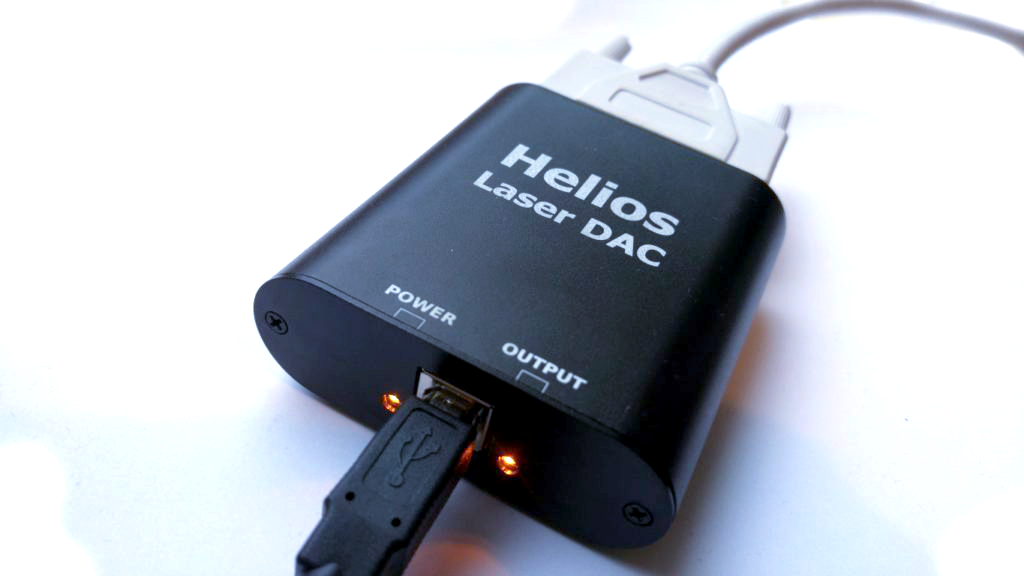
The Helios DAC - the cheapest option for home use
You do not need an external controller or an ILDA input if :
- Your laser has Ether Dream installed inside, or;
- You have a LaserCube from Wicked Lasers, or;
- You have an X-Laser fixture with Mercury built in, or;
- You have a Laser Animation Sollinger laser with an AVB controller built-in (currently in testing on macOS only)
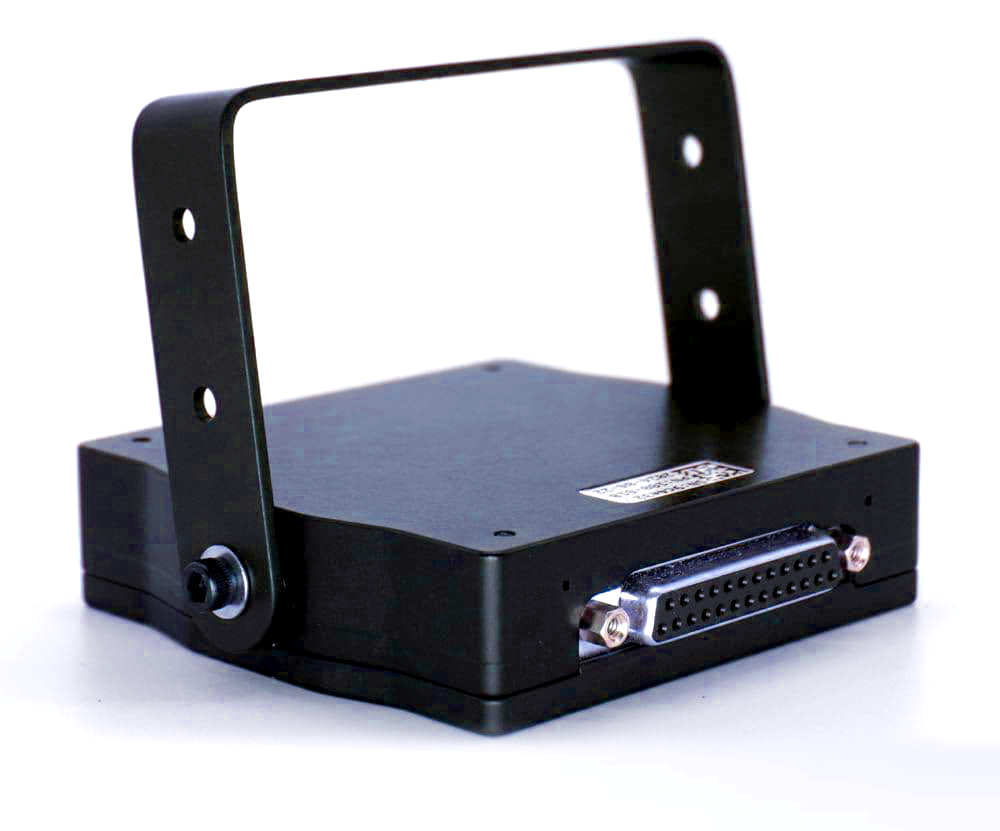
The ILDA output on an external Ether Dream
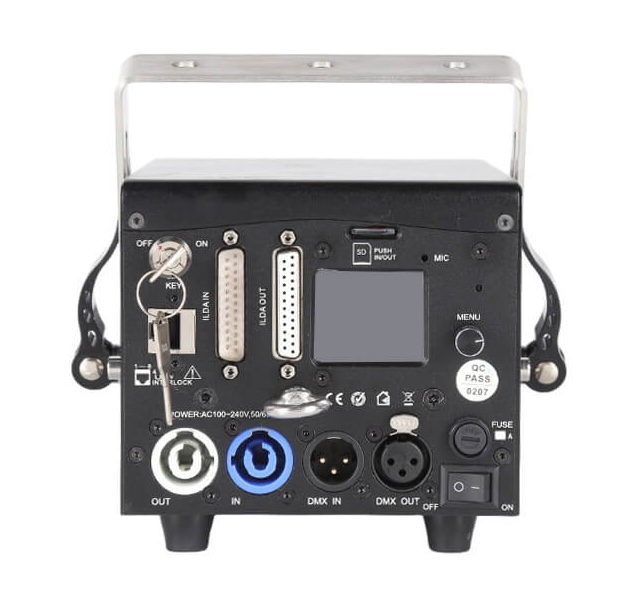
The rear panel of a laser showing the various connections, including the ILDA input
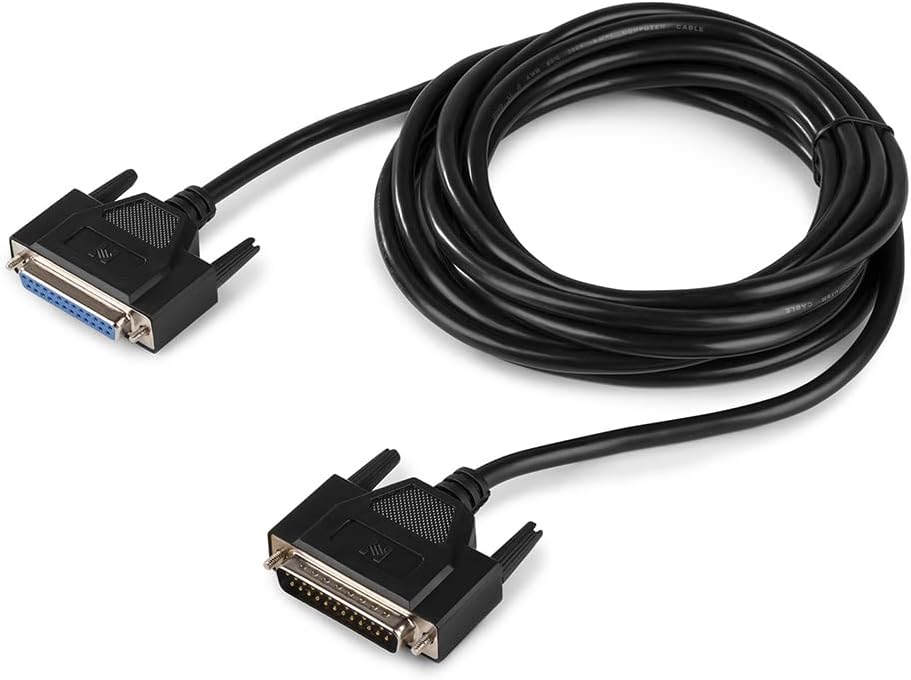
A standard ILDA cable
Which controller is best for me?
If you are a home user, or run small shows with 4 or fewer lasers that are close to the computer, then USB controllers like the Helios DAC are the most affordable option.
Network DACs like the Ether Dream are the best option for professional laserists who are happy to set up a network and want to run a large number of lasers; all of the large Liberation shows so far have been run on Ether Dreams.
If you have a LaserCube then you don't need a separate laser controller at all - Liberation is compatible with all LaserCubes. The earlier models connect with a USB cable, and the newer models connect over a network.
If you are a professional looking for the easiest option, then consider X-Laser units with Mercury built in or Laser Animation Sollinger lasers that use AVB.
Compatible laser controllers
Ether Dream (Network)
The Ether Dream has been around for over ten years and is currently at version 4 (although Liberation also works with Ether Dream version 1, 2, and 3). They are extremely reliable.
You connect to them over a standard network. They can be bought as standalone units, or even better, can be fitted inside lasers.
Helios (USB)
Helios is the best option for beginners and they are cheaper than Ether Dreams, but as they connect over USB, it's not recommended for long cable runs. Also you may have USB data and driver issues once you connect to more than 4 (especially on Windows).
But if you just want to run a couple of lasers at home, it's the cheapest and simplest option.
Mercury (Built-in to X-Laser units)
Mercury is X-Laser’s powerful DMX laser control system, designed for lighting designers who want to run lasers directly from a traditional lighting console. With the latest firmware update, Mercury also includes Ether Dream emulation, which means it now works seamlessly with Liberation - as well as any other software that supports Ether Dream.
AVB (Built into Laser Animation Sollinger units)
AVB is an open network-based protocol for high-performance, low-latency audio and data streaming. Many LaserAnimation Sollinger projectors include AVB support directly in the hardware, which allows Liberation to connect to them over the network without the need for external DACs. AVB support in Liberation is currently macOS-only and in testing, and it requires compatible AVB-enabled network devices. When set up correctly, it offers a simpler workflow, fewer external devices, and robust reliability for professional shows. I
Controllers that will be supported in the future :
- IDN (an open network protocol from ILDA, can be implemented by any manufacturer)
Cabling suggestions
For optimal performance, keep USB DACs near your computer and connect them to the lasers using longer ILDA cables. (Although watch out as ILDA cables can act as a grappling hook during de-rigging!)
If you're using Ether Dreams you can still keep them all together and connect to the lasers using long ILDA cables, or you can rig them close to the lasers, and use longer network cables.
The ideal setup is to have Ether Dreams (or other controllers) installed directly inside your lasers (Rob at Stanwax Laser will do this for you in the UK)